
Planning how you’ll leverage your portfolio of upcoming events and brand experiences is a cornerstone of success for your entire marketing calendar. It’s all about laying out a structured roadmap that leads to reaching your goals. In the previous posts in this series, we examined what makes up a good portfolio plan and the reasons why it’s critical to have one, especially in light of the challenges facing planners.
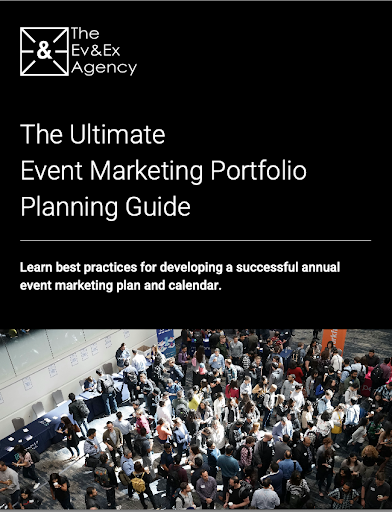
Now, let’s examine the process for putting one together. This is a collaborative effort in which your marketing team takes the lead, working alongside agency partners and key stakeholders to ensure strategic alignment. Based on our experience working with clients to develop portfolio plans, here are the crucial steps you should follow so your team can confidently navigate this process. To learn even more, download our expert guide to event portfolio planning.
Step 1: Create a Planning Roadmap
The first step is to establish a clear planning roadmap that ensures all steps are completed in time for budget allocation before the new fiscal year or campaign period. This roadmap empowers your brand to:
- Identify milestones and key deliverables.
- Develop a detailed timeline, including workshop dates and review periods.
- Draft agendas for core meetings and workshops.
- Assign stakeholders and delegate tasks to ensure accountability across your marketing team.
By mapping out these details upfront, you’re setting a strong foundation for an efficient and goal-oriented planning process. The quality of that process totally dictates the quality of the portfolio plan you come up with, in fact. Because as New York Yankee great Yogi Berra once put it, “If you don’t know where you are going, you’ll end up someplace else.” As part of this, be sure to clarify internal role responsibilities, such as ensuring the marketing manager oversees milestone tracking and senior strategists handle alignment with agency partners.
Step 2: Conduct Research and Discovery
To inform your annual planning efforts, invest in thorough research and discovery. This step ensures your strategy is rooted in data and actionable insights. Your brand’s marketing team should focus on:
- Analyzing Prior Year Performance: Evaluate what worked and what didn’t using campaign results, attendee feedback, and performance reports.
- Stakeholder Feedback: Conduct interviews with internal teams and external partners to identify strengths, weaknesses, opportunities, and threats (SWOT).
- Exploring Industry Trends: Stay ahead by studying experiential marketing trends, competitive examples, and best practices.
- Assessing the Competitive Landscape: Benchmark your brand against both direct and indirect competitors.
Use tools like project management software (e.g., Asana or Trello) to track deliverables and analytics platforms to gain insights.
Step 3: Kick-off Workshop
The kick-off workshop is a pivotal moment in your annual planning process. This half-day (or longer) session should be led by your senior marketing strategist and include key stakeholders. Topics of discussion might include:
- Reviewing the planning roadmap and timeline.
- Presenting key findings from the research phase, including insights from:
- Prior year results.
- Stakeholder feedback.
- Industry and competitive analysis.
- Defining goals and objectives, such as sales growth targets, audience expansion, or brand positioning.
- Identifying target audiences, including personas and segmentation.
- Discussing collaboration needs with internal and external partners (e.g., PR teams, product teams).
- Establishing core business, brand, and marketing initiatives.
This workshop sets the stage for a shared vision and actionable goals. Be sure to document all discussions thoroughly for follow-up.
Step 4: Compile Learnings and Refine the Roadmap
After the kick-off workshop, gather all materials, notes, and insights into a workshop summary. Use this document to:
- Share findings with your internal team and agency collaborators.
- Adjust the planning roadmap to reflect new insights and refine next steps.
Include examples of adjustments. For instance, shift focus from underperforming events to more promising opportunities. Additionally, reallocate the budget based on competitive analysis.
Step 5: Plan Development
With a solid foundation in place, your team can begin developing the annual plan. This collaborative effort requires input from multiple departments, guided by senior marketing strategists. Alternate between group activities (e.g., workshops and brainstorming sessions) and individual tasks (e.g., developing content and plan pages). Key workshops and work-streams might include:
- Portfolio Planning
- Event/Experiential Strategy Workshops
- Tactical Brainstorms
- Measurement Framework Definition
- Budget and Resource Allocation
The final plan should be a comprehensive document (often in PowerPoint format) that includes:
- Business goals and objectives.
- A long-term roadmap (3- to 5-year snapshot).
- Core business and brand initiatives.
- Brand positioning and product focus.
- Core marketing initiatives.
- Target audience profiles.
- Portfolio plan for events and experiences.
- Event/experiential strategies and tactics.
- Content strategy and messaging framework.
- Measurement and success metrics.
- Budget forecasts and allocation plans.
Implementation and Follow-Up
After the plan is finalized, focus on execution and monitoring:
- Implementation: Use tools like Slack for team communication and project tracking platforms to ensure tasks are on schedule.
- Monitoring Progress: Set up regular check-ins to assess milestones, using KPIs outlined in the plan.
- Periodic Reviews: Conduct quarterly reviews to adjust strategies based on real-time performance data.
An Example of Planning in Action
A consumer electronics brand might discover through detailed research that product demos generate the highest levels of engagement with their audience. This finding could lead them to prioritize events in their annual marketing plan that focus specifically on delivering demos and allocate a larger portion of their budget to enhancing hands-on experiences. These demo-centric events can resonate more deeply with potential customers. This not only helps build brand loyalty but also increases the likelihood of conversions.
Ultimately, leveraging these insights during planning allows the brand to refine its overall marketing strategy, ensuring it effectively connects with its target audience while optimizing the return on investment (ROI). By focusing on what works best, any brand can make informed decisions that significantly enhance its market presence.
This is how an annual event portfolio planning process not only ensures alignment with your strategic goals but also sets the stage for impactful and measurable marketing outcomes. It’s a disciplined approach that transforms your efforts into a cohesive, results-driven marketing engine. Looking for the right agency partner to help make that happen? Start right here!