
At a Glance
• Why it matters: event teams must prove ROI and choose the right mix of formats.
• Top problems: unclear goals, weak budgets, poor measurement, wrong audience fit, and politics overruling data.
• Quick fixes: lock a primary metric per event, use a rolling 12-month roadmap, standardize KPIs, and require a quarterly governance review.
Treat your event portfolio like a product roadmap
Event programs succeed when they’re managed like a channel. That means deliberate selection, measurable outcomes, and regular reallocation of spend based on performance.
If you treat events as one-offs you’ll waste budget and compound audience fatigue. Remember, you may be getting visitors who’ve encountered you at the last big industry event; why not give them a reason to return to your footprint?. For benchmarking and trends along this line, review Bizzabo’s industry reports and HubSpot’s event marketing playbook.
Mistake 1 — Running events as isolated projects
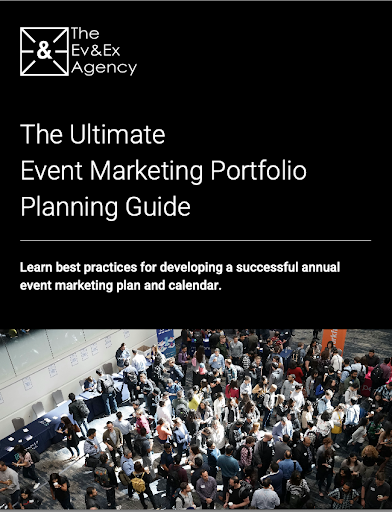
Why it fails: One-offs cost more and rarely build cumulative audience value. No event is an island (which explains the image accompanying this article!)
Fix: Map every event by purpose — acquisition, retention, product education, brand. Create a rolling 12-month roadmap that balances flagship, regional, and low-cost digital activations. Use a central calendar so cadence, overlap, and audience segments are visible across the business.
Creating event portfolio templates can speed this setup.\
Mistake 2 — No measurable goal tied to business outcomes
Why it fails: vague goals like “raise awareness” do not justify spend. Marketing leaders now demand outcomes tied to pipeline or revenue.
Fix: require one primary metric per event. Examples: qualified pipeline value for trade shows, product trial conversions for webinars, or NPS lift for customer summits. Document secondary metrics and target ranges in the event brief. Lock the metrics into the approval process and the post-event scorecard.
Mistake 3 — Underestimating total cost and skipping contingency
Why it fails: last-minute overruns erode margins and force poor compromises. Vendor inflation, travel, and A/V line items often surprise teams.
Fix: Use a line-item budget template that includes vendor quotes, taxes and fees, and a 10–20% contingency. Roll recurring opex (travel, F&B, A/V retainer) into portfolio forecasts so you can calculate cost-per-qualified-lead by event type. For budgeting best practices see HubSpot’s finance and ROI guides.
Mistake 4 — Inconsistent KPIs and poor instrumentation
Why it fails: inconsistent KPIs block apples-to-apples comparison and prevent scaling. If each event tracks different things you can’t reallocate spend objectively.
Fix: Standardize a KPI set: reach, engagement, qualified leads, pipeline velocity, cost per qualified lead, and revenue attribution. Enforce consistent UTM tagging and CRM flows. HubSpot’s UTM guide and Google Analytics campaign tagging explain how to keep tracking consistent across channels. Automate a one-page scorecard within seven days of the event.
Mistake 5 — Letting politics outweigh data
Why it fails: :egacy events survive because of ownership, not because they produce results. That bloats calendars and dilutes audience attention.
Fix: Create a quarterly governance forum that reviews scorecards and recommends cut, continue, or scale decisions. Tie renewal to metric thresholds rather than budget ownership. Document decisions and publish the rationale so stakeholders see the tradeoffs.
Operational checklist
• Require a one-page event brief with objectives, KPIs, budget, audience, and success criteria.
• Maintain a central portfolio calendar with event type, expected outcome, and cost buckets.
• Run post-event retrospectives that feed the governance review.
• Protect a contingency line for inflation and vendor risk.
• Standardize tagging: Use a single UTM schema and CRM lead class. See HubSpot’s UTM parameter guide for an implementable example.
A final note
A balanced portfolio mixes high-impact flagship events with regional and digital activations. Data should be the primary lever for shifting spend between formats when budgets are tightened. For industry benchmarks and planning templates consult some of the research we’ve cited and apply those insights to your portfolio scorecards. Or better yet, reach out to an expert at Ev & Ex for answers!