At a Glance
- Who this is for: heads of internal communications, HR, and event marketing teams running sales kickoffs, leadership summits, and multi-region employee programs.
- What you’ll get: a 2026 roadmap for sequencing global meetings, rehearsal and production windows, travel and localization rules, and post-event measurement tied to adoption and retention.
- Big idea: corporate meetings must be sequenced to preserve scarce executive availability and allow for localized rollouts that scale.
Plan global sales kickoffs and multi-day corporate meetings for 2026 with sequence, blackout dates, and production gates that protect executive time and amplify their impact. Here’s how.
Why sequencing matters for 2026 corporate programs
Executives’ time is one of the most constrained resources in 2026. Sales kickoffs, leadership summits, customer events, and product launches all compete for C-suite calendars. Without a master meeting roadmap you will either overbook executives—reducing presentation quality and strategic presence—or underutilize expensive on-site budgets in places that don’t move the business.
A master roadmap solves this by sequencing large programs, clustering regional rollouts, and protecting essential blackout dates to maintain executive capacity for strategic moments.
Core principles for a 2026 corporate meetings roadmap
- Protect executive windows — define non-negotiable blackout dates.
Blackout dates are quarterly ranges where executive travel and major presentations are minimized. These windows allow leaders to focus on product launches, investor work, or critical internal deadlines. Use blackout rules to gate where flagships are scheduled; only Tier 1 events should justify violating a blackout range. - Cluster by region and content — phased rollouts reduce friction.
Rather than replicating full-scale global meetings in every market, build a modular program. Deliver the core keynote and strategic content centrally; localize breakout sessions for market-specific needs. Cluster regional rollouts to reuse creative and reduce localization time and cost. - Reserve rehearsal and production windows — rehearsal is not optional.
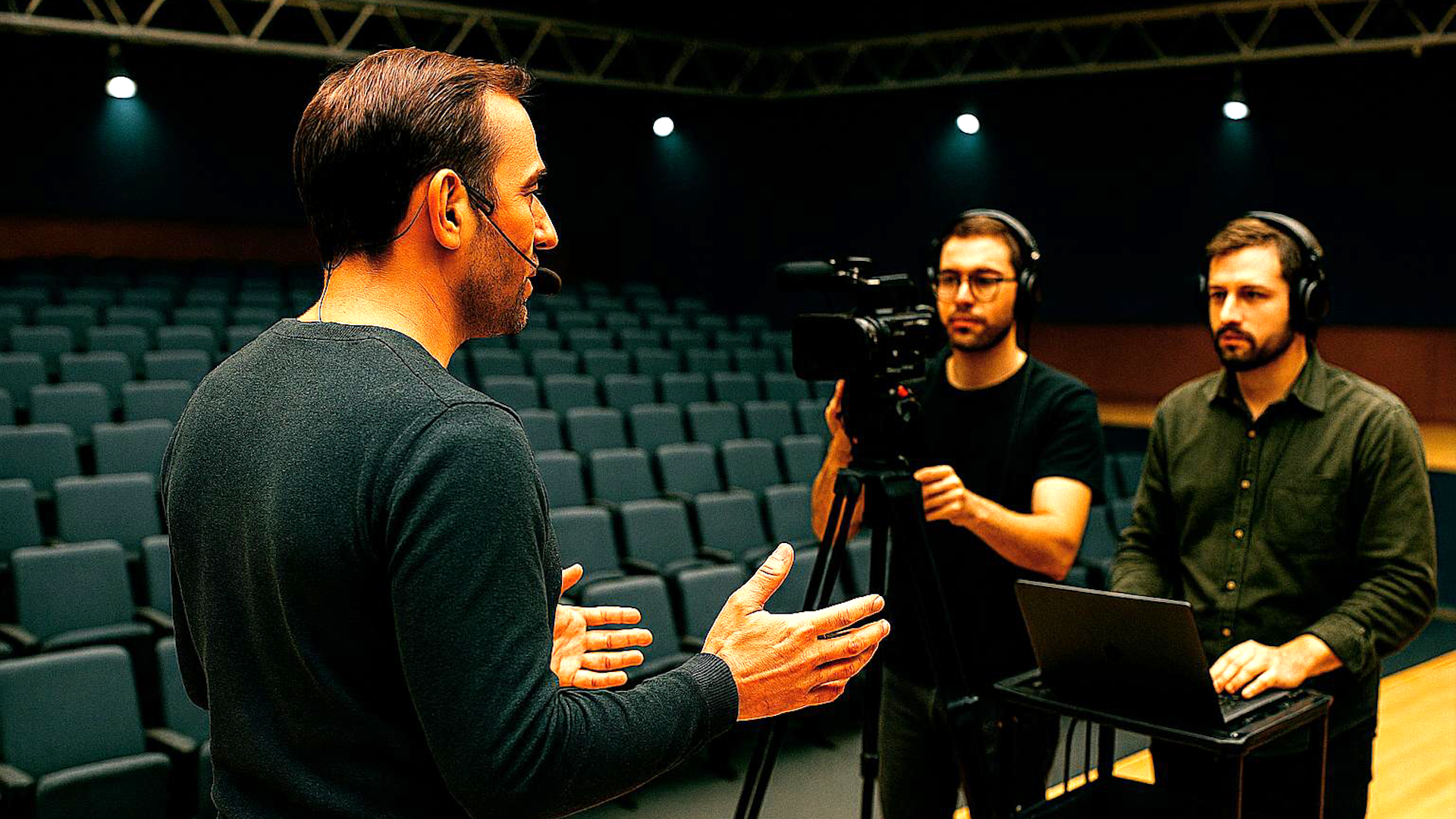
For hybrid and live programs alike, rehearsals and platform tests must be scheduled and enforced. Allocate mandatory rehearsal days on the calendar—include tech checks for speaker mics, clickers, and platform load tests for hybrid streams. - Build training days for adoption — meetings that change behavior add training time.
When outcomes include behavior change (new sales methodology, new product adoption), include mandatory training days or workshops that support adoption immediately following the main program. This helps move attendees from passive listeners to active users.
The 2026 timeline: planning gates and lead times
Corporate meetings need longer lead times than trade shows. Plan for 16–24 weeks when the program includes AV, custom builds, and localized content.
A gated timeline (count back from Day 1):
- 20–24 weeks: concept, budget sign-off, venue RFP, and executive availability confirmed.
- 12–16 weeks: program run-of-show, key creative assets, and regional content pockets completed.
- 8–10 weeks: production vendor contracts, travel blocks, lodging, and attendee registration opened.
- 4–6 weeks: final speaker preparation, run-of-show rehearsals, and hybrid platform load tests.
- 0–7 days: on-site tech checks, speaker rehearsals, and final attendee communications.
- 30–90/180 days post: adoption and business impact measurement windows.
Sequencing rule: avoid clustering large meetings within a 60-day exec window
If a C-suite leader is expected to present at both a global sales kickoff and a customer summit within 60 days, you will see declining presentation quality, executive fatigue, and diminished audience engagement. Assign an executive load metric—travel days plus major presentations per quarter—and cap it (example: max 15 travel days and two major keynotes per quarter). Use that metric to prioritize where executives must appear live and where recorded content plus moderated live Q&A will suffice.
Localization and hybrid rules for 2026
- Localize pockets, not entire programs — keep core content consistent.
Translate and tailor breakout sessions or region-specific panels. The core narrative and scoreboard should remain consistent to reduce rework. - Hybrid access windows — schedule replays and staged Q&A.
Run primary live sessions during the host region’s daytime and provide staged replays and live localized Q&A for other time zones. Avoid scheduling executives into extreme timezone slots; prefer recorded keynotes with live moderated Q&A. - Reuse vs build — favor modular assets to reduce cost.
Create modular keynote segments and breakout templates that can be recombined for different markets. This reduces creative lead time and increases consistency.
Staffing and vendor strategy
- One production partner for the year increases efficiency.
Rather than sourcing new vendors per event, retain a primary production partner to manage global consistency and negotiate better rates. - Central production director + local labor.
Hire local crew under a central production director to control quality while cutting travel costs. - Dedicated rehearsal producer.
Assign a producer solely responsible for speaker readiness and technical run-throughs. This role reduces last-minute mistakes and enhances on-stage performance.
Measurement: what to put on the 30/90/180-day agenda
Corporate events must demonstrate impact. Your measurement windows should align with the behavior you want to change.
- Day 0–30: attendance, satisfaction (NPS), and immediate knowledge checks.
- Day 30–90: adoption metrics—product usage, new process adoption, and sales pipeline impact.
- Day 90–180: retention and performance—quota attainment, churn reduction, and revenue influence.
Tie event attendance to user IDs where possible so you can measure downstream behavior and attribute impact properly.
Scenario: practical 2026 rollout for a global sales kickoff and regional rollouts
Objective: deliver a high-impact global kickoff and efficient regional rollouts that drive product adoption.
Calendar outline:
- Jan–Feb: program concept, budget approval, and executive availability checks (20–24 weeks).
- Mar–Apr: script, run-of-show, and modular content creation (12–16 weeks).
- May: vendor contracting, registration open, and travel blocks set (8–10 weeks).
- Jun: global live kickoff—main sessions live with hybrid stream and regional replays.
- Jul–Sep: regional rollouts—2-day localized sessions leveraging modular content.
- Oct: leadership summit—executive-only session focused on strategy and roadmapping.
- Nov–Dec: impact reviews with 30/90/180-day measurement windows.
Risk management and contingency planning
- Protect budget with a 10–15% contingency line for changes in executive availability or vendor issues.
- Build fallback content: recorded keynotes, pre-produced panel discussions, and a “plan B” local moderator for executive no-shows.
- Maintain a single source-of-truth calendar and assign owners for each event and each executive touchpoint.
Implementation checklist for event ops teams
- Centralize calendar in a project management tool with gates and approvals.
- Create an executive capacity model and share it quarterly.
- Make rehearsals mandatory; schedule them as calendar holds, not optional sessions.
- Standardize reporting templates for Day 0–30–90–180 and automate where possible.
Conclusion
Sequencing and rehearsal discipline are the core differentiators between expensive internal gatherings and programs that drive measurable adoption and performance. By protecting executive windows, clustering regional rollouts, and enforcing rehearsal gates, your 2026 corporate meeting program will deliver outcomes—not just events.
Got questions? We’ve got answers. Or better yet, reach out to an expert at Ev & Ex for answers!